
How to Protect Your Home from Termite Infestation
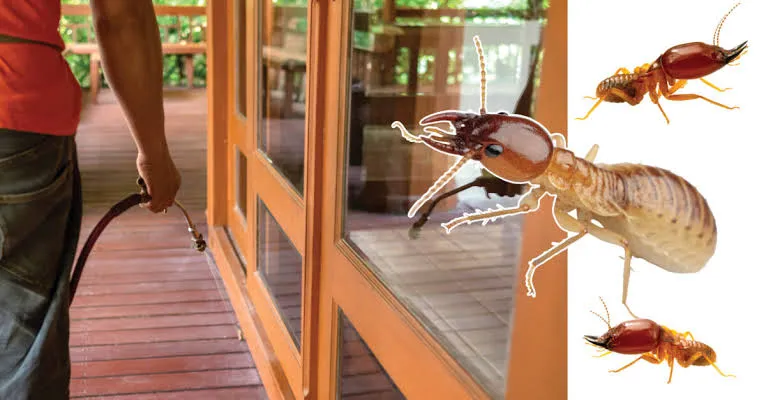
Termites are among the most destructive pests that can affect a home or commercial property. They can remain hidden for a long time while gradually damaging wooden structures, furniture, doors and other parts of your property.
A termite infestation may start quietly, but the damage can become expensive if it is not identified and treated at the right time. Understanding the warning signs and taking preventive measures can help protect your home from serious structural and financial damage.
What Are the Signs of Termite Infestation?
Termites often remain hidden inside walls, wooden structures and soil. However, there are several signs that may indicate an infestation.
- Hollow or damaged wooden furniture
- Mud tubes around walls or foundations
- Discarded termite wings near windows and doors
- Small holes in wooden surfaces
- Doors and windows becoming difficult to open
- Visible termite droppings or frass
Why Do Termites Enter Homes?
Termites are attracted to moisture, cellulose-rich materials and wooden structures. Leaking pipes, damp areas, poor drainage and untreated wooden materials can create favourable conditions for termite activity.
Once termites find a suitable food source, they can gradually spread through wooden structures and hidden areas of a property.
How to Prevent Termite Infestation
Prevention is one of the most effective ways to reduce the risk of termite infestation. Keeping your property dry, repairing leaks and maintaining wooden structures can help discourage termite activity.
Keep Your Property Dry
Moisture is one of the major factors that can encourage termite activity. Check for leaking pipes, taps, drainage problems and areas where water collects around your property.
Inspect Wooden Structures Regularly
Regularly inspect doors, windows, furniture, wooden flooring and other wooden structures for signs of damage. Early detection can make professional treatment easier and more effective.
Keep Wooden Materials Away From Soil
Avoid keeping wooden materials, cardboard boxes and other cellulose-based items directly against the soil around your property. These materials can become an easy food source for termites.
Maintain Proper Ventilation
Good ventilation helps reduce excessive moisture in kitchens, bathrooms, storage areas and other enclosed spaces. A clean and dry environment makes the property less attractive to termites.
When Should You Contact a Pest Control Professional?
If you notice multiple signs of termite activity, household prevention methods may not be enough. A professional pest control team can inspect the property, identify the affected areas and recommend an appropriate treatment.
Professional termite control can help address existing infestations while reducing the possibility of termites returning to the treated areas.
What Is the Best Way to Protect Your Home from Termites?
The best approach is a combination of regular inspection, moisture control, proper maintenance and professional pest management when required. Early action can help prevent minor termite activity from becoming a major property problem.
Conclusion
Termites can cause significant damage when an infestation is left untreated. Regular property inspections, moisture control and proper maintenance can help reduce the risk of termite activity. If you suspect an infestation, contacting a professional pest control expert can help protect your home and property.
Protect Your Home from Termites
Talk to a professional pest control expert today and keep your property protected.